August 20, 2026
Upgrading kitchen or bathroom surfaces represents one of the most impactful investments a homeowner can make in terms of daily utility and long-term property value. Beyond framing the visual character of the room, counter surfaces serve as everyday workhorses exposed to heat, moisture, heavy cookware, and constant food preparation activity. Achieving an ideal blend of visual charm and structural endurance requires careful planning before committing to a final material or contractor. Homeowners who prioritize both beauty and long-term performance often discover that a flawless countertop installation depends as much on proper material selection and craftsmanship as it does on personal aesthetic taste.
By approaching the selection process with a clear understanding of material properties, edge profiles, structural support, and ongoing care demands, you can create a centerpiece that elevates your living space for decades. Evaluating options through the dual lens of style and resilience helps ensure that your investment retains its structural integrity and visual appeal long after the initial setup is complete.
Exploring the Core Advantages of Quality Surfaces
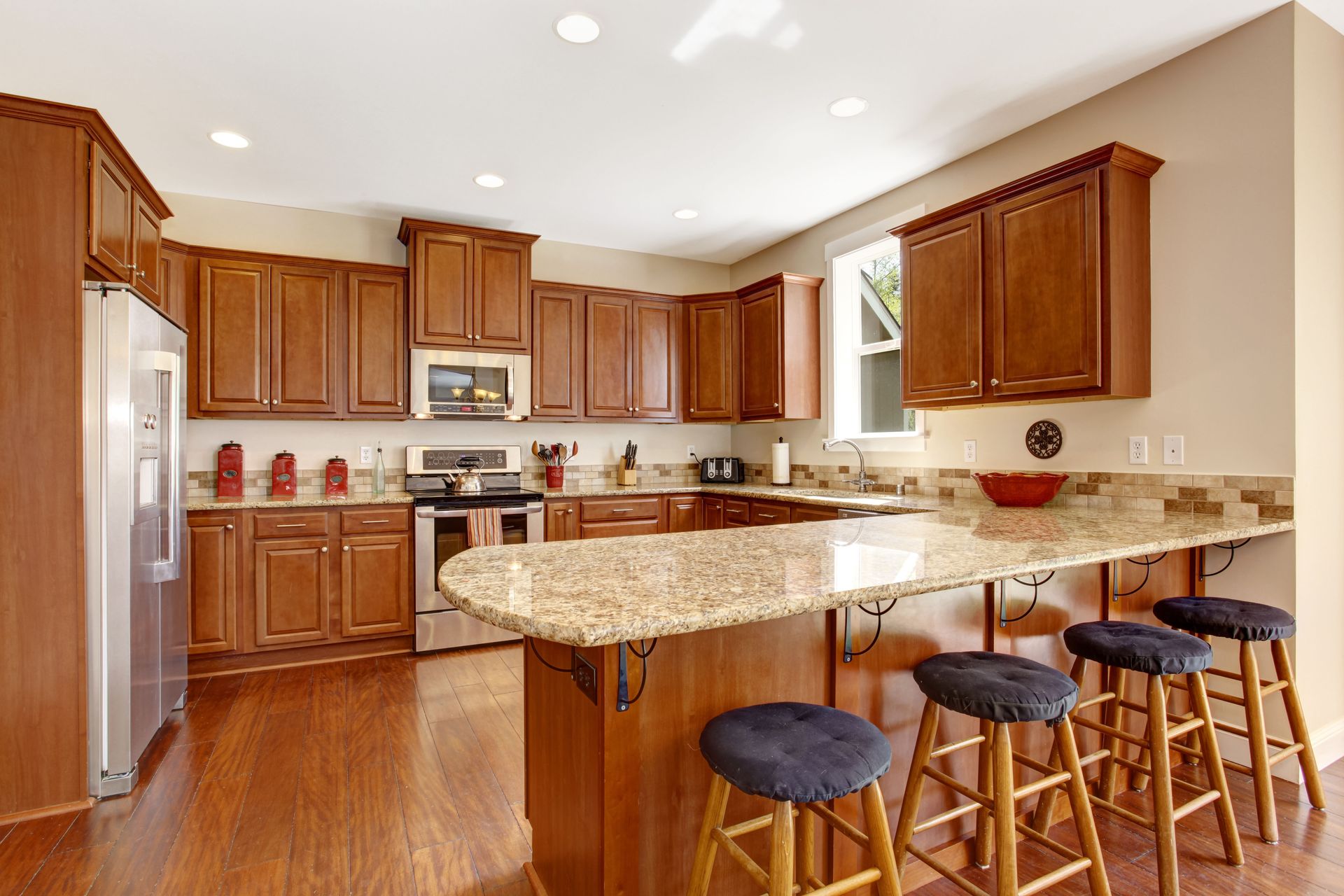
Investing in a high-quality countertop installation transforms a purely functional preparation zone into a striking design focal point that defines the entire room. A seamless surface visually connects cabinetry, backsplash tile, room lighting, and plumbing fixtures into a unified architectural statement. Beyond immediate visual refinement, a professionally executed project reinforces the functional ergonomics of the workspace, establishing smooth transitions and comfortable working heights tailored to your daily cooking and entertaining habits.
From a long-term economic perspective, premium surface upgrades consistently rank among the highest-return home improvement projects for residential property owners. Prospective buyers naturally gravitate toward kitchens and bathrooms featuring clean, durable surfaces that require minimal immediate repair or replacement. A well-planned countertop installation enhances structural stability across base cabinetry while significantly raising the overall market value and buyer appeal of the home.
Evaluating Popular Materials for Lasting Appeal
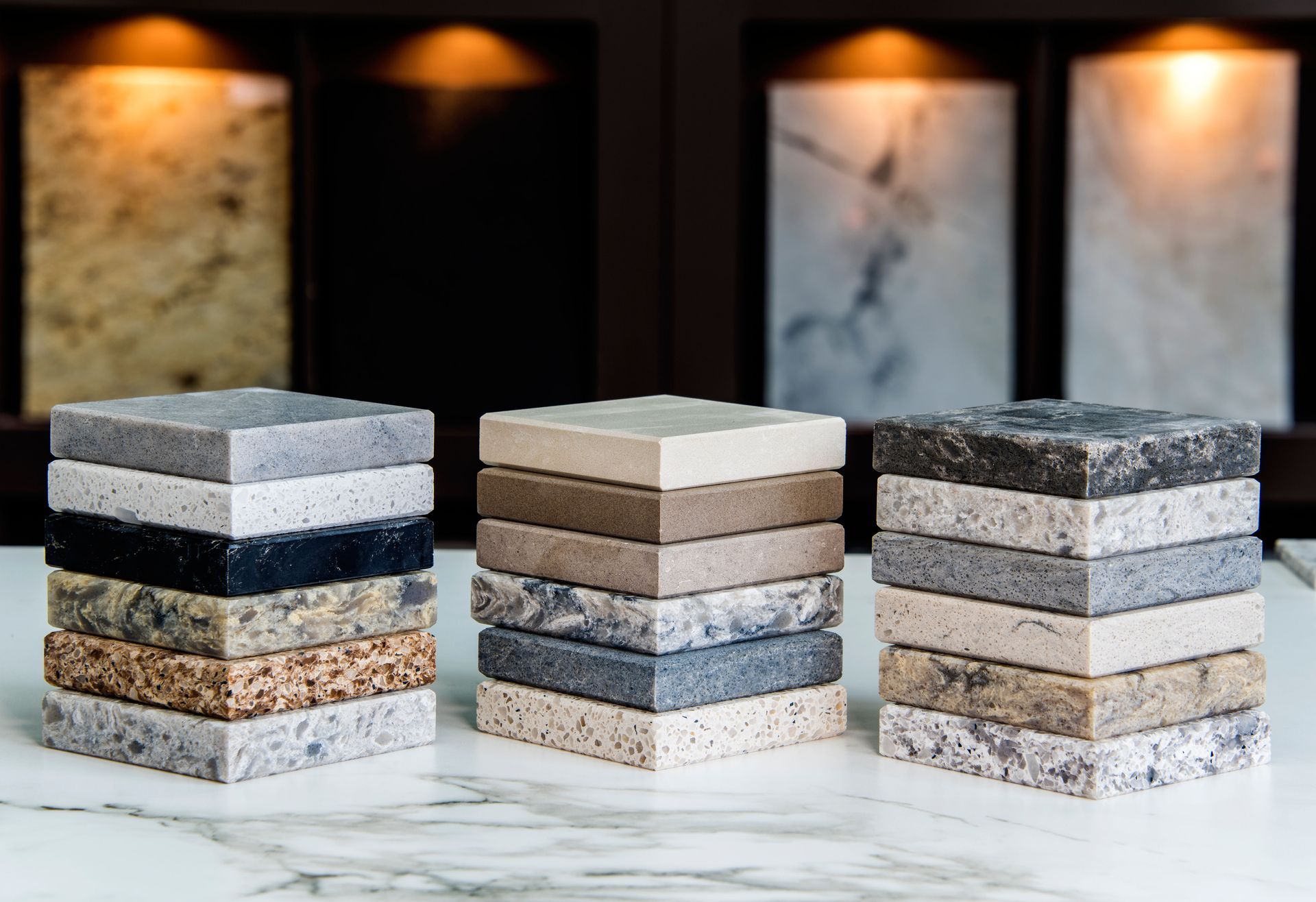
When evaluating choices for a new countertop installation, selecting the right material requires weighing tactile appeal against physical resistance to staining, scratching, and heat exposure. Natural stones like granite remain a benchmark for organic beauty and extreme structural durability. According to Forbes, granite countertops are capable of lasting a century or longer. This remarkable longevity stems from the dense crystalline structure of natural granite stone, which handles high cooktop temperatures and heavy daily utility with minimal physical wear when properly sealed over time.
Engineered quartz has also emerged as a dominant choice for modern living space design due to its non-porous composition and broad aesthetic versatility. Manufactured from crushed natural quartz minerals bound with high-performance polymer resins, quartz surfaces offer uniform patterns and exceptional stain resistance without requiring periodic sealing treatments. Marble, while softer and more susceptible to acidic etching, provides unmatched visual elegance with classic veining patterns that appeal to traditional design tastes. Solid surface materials and porcelain slabs further expand options, providing seamless appearances and low maintenance demands across various price points.
Assessing Structural Requirements for Heavy Slabs
The physical weight of heavy stone and engineered slabs requires careful structural assessment before placement begins in your home. A successful countertop installation relies on level, rigid base cabinets capable of supporting hundreds of pounds of continuous load without shifting or flexing. Technicians carefully inspect existing cabinet boxes for plumb, level, and structural soundness, inserting shims or reinforcing sub-tops where necessary to eliminate subtle sags that could cause rigid stone to crack over time under stress.
Weight distribution remains particularly critical around expansive kitchen islands and cantilevered seating overhangs where people gather. Overhangs exceeding specific depth thresholds require concealed steel support brackets or decorative corbels to prevent leverage strain from fracturing the slab edges under heavy weight. Proper structural preparation ensures that heavy materials remain completely stable and flush along all wall intersections and cabinet borders for decades to come.
Understanding Fabrication Techniques for Seamless Assembly
Understanding the detailed fabrication techniques used during a countertop installation helps homeowners appreciate the precision involved in transforming raw stone slabs into finished surfaces. Advanced digital templating allows fabrication technicians to capture micro-level wall variations, out-of-square corners, and exact cutouts for sinks, cooktops, and pop-up electrical outlets. During fabrication, cut lines are strategically aligned to showcase natural slab veining while placing seams in low-visibility, low-stress zones.
Edge profiling represents another essential fabrication decision that blends visual style with practical safety for busy households. Rounded edges such as bullnose or pencil profiles resist chipping from heavy pots and offer a smooth touch, whereas sharp square edges present a crisp modern profile but remain slightly more vulnerable to impact damage. Beveled and ogee edges add traditional architectural depth, catching room light in ways that highlight the natural color variations within the stone material.
Managing Seams and Seals During Precision Mounting
Managing seam placement and joint binding is one of the most critical aspects of professional slab assembly in residential spaces. Large continuous surface layouts often require multiple slab pieces joined together on site during the fitting process. Skilled technicians use color-matched epoxy resins blended specifically to mirror the base hue and veining of the slab, rendering joints nearly invisible to the casual observer. Vacuum seam setters pull the adjoining pieces tightly together, ensuring a smooth level transition that prevents debris or moisture from penetrating the seam.
Sealing represents the final vital step for porous natural materials such as granite, marble, and quartzite. Applying a high-grade penetrating sealer coats the microscopic pores of the natural stone, repelling liquid spills, cooking oils, and dark beverages before they can cause permanent discoloration. Regular resealing routines maintain this protective shield, preserving the vibrant depth and clarity of natural stone surfaces throughout decades of active household use.
Maintaining Surface Integrity Throughout Decades of Use
Preserving the original shine and surface integrity of your investment after countertop installation requires establishing sensible daily care habits tailored to your surface material. Mild dish soap, warm water, and soft microfiber cloths remain the safest everyday cleaning solution for virtually all natural stone and solid surface types. Harsh chemical cleaners, bleach, and abrasive scrubbing pads can strip protective sealant layers or dull polished finishes over time, leaving surfaces vulnerable to etching and staining.
Practicing simple preventative measures further extends surface life regardless of material hardness or sealant type. Using dedicated cutting boards prevents fine scratches from culinary knives, while trivets and hot pads protect stone sealants and quartz resin binders from thermal shock or heat discoloration. Promptly wiping up acidic liquid spills such as citrus juice, wine, or vinegar protects marble and unsealed granite from chemical etching, maintaining a fresh finish year after year.
Selecting a new countertop installation is an exciting journey that merges personal creative expression with practical home engineering. By balancing material characteristics, structural preparation, and skilled assembly, you ensure a surface that gracefully withstands daily household activity while elevating your living environment. Taking time to consult with experienced design and installation professionals guarantees that your project aligns with your lifestyle needs, aesthetic vision, and financial goals.
Partnering with certified fabrication professionals and maintaining consistent care routines guarantees that your new surfaces will serve as a beautiful, enduring centerpiece for your home for generations to come. If you are ready to bring timeless style and durable craftsmanship into your home kitchen or bath, contact Cabinets of Port Orange today to schedule your personalized design consultation.